

Upcoming Trucking Industry Event Guide
TLDR No two events are alike. Whether you’re looking to discover new technology, grow your network, learn about regional issues, or connect with a specific part of the industry, this guide will help you find the right event
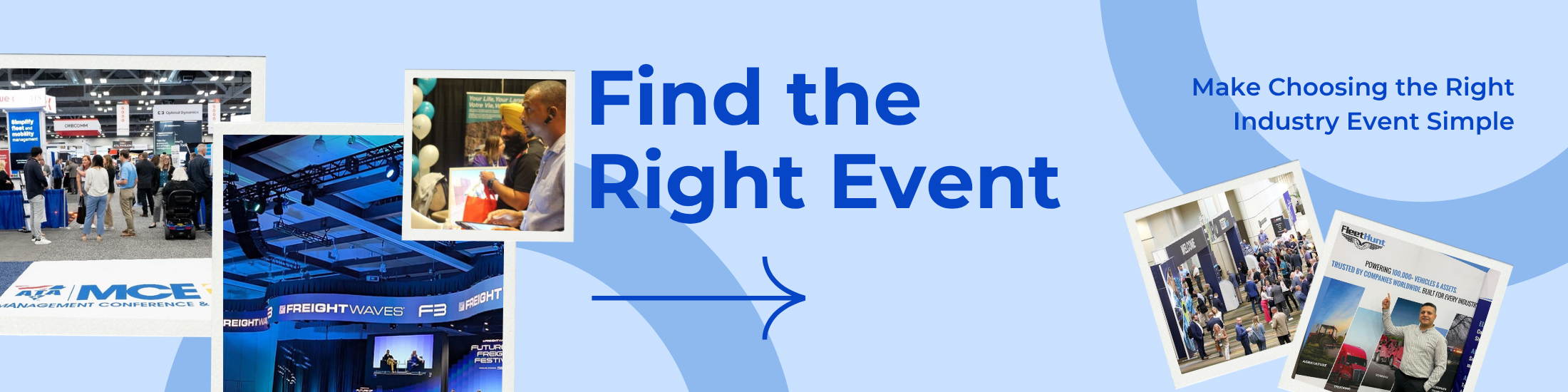
Choosing the Right Industry Event
- Industry Giants think large-scale events featuring industry leaders, trends, and ground-breaking innovation
- Regional Gems think small-mid size regional events focusing on local issues, regulations, and industry challenges
- The ‘Niche’ think smaller, specialized events focused on particular industry segments, expertise, or community building
Industry Giants
The biggest names, the largest crowds, and the industry’s most influential events. These are the conferences and expos where major announcements are made, new technologies debut, and thousands of transportation, construction, and fleet professionals come together to shape the future of the industry.
IANA Intermodal EXPO I Long Beach, CA I September 14-16, 2026
The IANA Intermodal EXPO connects supply chain leaders and transportation professionals through education, technology showcases, networking, and insights shaping the future of intermodal freight movement. 👉 Visit https://intermodal.org/intermodalexpo for more info. See website for pricing and registration details I 🎓 Conferences I 🏢 Expos & Trade Shows I 🤝 ConventionsCVSA Annual Conference & Exhibition I Orlando, FL I September 20-24, 2026
The CVSA Annual Conference & Exhibition brings together government policymakers and industry professionals to collaboratively address transportation safety challenges across North America. 👉 Visit https://cvsa.org/events/cvsa-annual-conference-and-exhibition/ for more info. See website for pricing and registration details I 🎓 Conferences I 🏢 Expos & Trade Shows I 🤝 ConventionsTMC’s 2026 Fall Meeting & National Technician Skills Competitions I Pittsburgh, PA I September 20-24, 2026
The ATA Technology & Maintenance Council (TMC) Fall Meeting & TMCSuperTech brings together fleet professionals, suppliers, and technicians for education, networking, truck technology insights, maintenance best practices, AI discussions, and technician competitions. 👉 Visit https://tmcfall.trucking.org for more info. See website for pricing and registration details I 🎓 Conferences I 🏢 Expos & Trade Shows I 🤝 Conventions
CSCMP EDGE 2026 I Nashville, TN I October 4-7, 2026
Premier supply chain conference uniting leaders, innovators, and solution providers through education, networking, and industry insights. 👉 Visit https://www.cscmpedge.org/website/91603/home for more info. See website for pricing and registration details I 🎓 Conferences I 🏢 Expos & Trade Shows I 🤝 ConventionsAPTA TRANSform & Expo I Chicago, IL I October 4-7, 2026
The APTA TRANSform & Expo is a public transportation event featuring educational sessions, technical tours, industry exhibits, and networking focused on transit innovation and mobility solutions. 👉 Visit https://www.apta.com/event/apta-2026-transform-expo/ for more info. Expo-only admission is FREE. See website for pricing and registration details I🎓 Conferences I 🏢 Expos & Trade Shows I 🤝 ConventionsATA Management Conference & Exhibition 2026 I Charlotte, NC I October 17-20, 2026
The ATA Management Conference & Exhibition (MCE) 2026 is a leading industry event that brings together industry leaders and decision-makers to drive the future of transportation through insightful education, innovative exhibits, and valuable networking opportunities 👉 Visit https://mce.trucking.org for more info. See website for pricing and registration details I 🎓 Conferences I 🏢 Expos & Trade Shows I 🤝 ConventionsFleet Forward Conference I National Harbor, MD I October 20-22, 2026
The Fleet Forward Conference is a premier fleet innovation event connecting fleet professionals, technology providers, and industry leaders through education, networking, vehicle showcases, and future mobility solutions. 👉 Visit https://www.fleetforwardconference.com for more info. See website for pricing and registration details I 🎓 Conferences I 🏢 Expos & Trade ShowsFreightWaves Future of Freight (F3) I Chattanooga, TN I October 27-28, 2026
The FreightWaves Future of Freight (F3) is a premier freight and logistics industry event featuring 50+ speakers, networking opportunities, FreightTech demonstrations, and innovation showcases focused on the future of supply chains. 👉 Visit https://live.freightwaves.com/f3-future-of-freight-festival-2026 for more info. See website for pricing and registration details I 🎓 Conferences I 🏢 Expos & Trade ShowsRegional Gems
These events may not draw global crowds, but they’re invaluable for staying connected to local regulations, regional challenges, and the people driving transportation in your area. They’re ideal for building relationships and gaining insights that directly impact your day-to-day operations.
TIA Alabama Regional Meeting I Birmingham, AL I August 12-13, 2026
The TIA Alabama Regional Meeting is a transportation industry gathering offering professionals’ opportunities to connect, share insights, and engage with peers through networking and industry discussions. 👉 Visit https://tianet.org/TIA/TIAnetOrg/Meetings/Regional-Meetings.aspx for more info. See website for pricing and registration details I 🎓 Conferences I 🤝 ConventionsFleetCon I Loveland, CO I August 24-26, 2026
FleetCon is a fleet education event hosted by FleetPros, bringing professionals and suppliers together for learning, networking, best practices, and industry innovations. 👉 Visit https://web.cvent.com/event/83152c4e-cdd2-4a56-94ab-2d128f169e60/summary for more info. See website for pricing and registration details I 🎓 Conferences I 🏢 Expos & Trade Shows I 🤝 ConventionsMTA National Trucking Week I Manitoba, Canada I September 6-12, 2026
National Trucking Week is a Canada-wide celebration, with Manitoba events hosted by the Manitoba Trucking Association to recognize the trucking industry through driver appreciation, community activities, and industry events. 👉 Visit https://trucking.mb.ca/events_mta/national-trucking-week/ for more info. See website for pricing and registration details I 🤝 ConventionsTruck Expo & Job Fair I Brampton, ON I September 19, 2026
The Truck Expo and Hiring Event is a premier Canadian trucking industry gathering connecting job seekers, employers, exhibitors, and professionals for career opportunities, business networking, and industry growth. 👉 Visit https://www.thetruckingnetworkevents.ca/truck-expo-and-hiring-event/ for more info. See website for pricing and registration details I 🏢 Expos & Trade ShowsFSC 35th Annual Educational Conference I Brampton, ON I October 23, 2026
The FSC 35th Annual Educational Conference is a fleet safety event bringing transportation professionals together for leadership insights, education, networking, and health and safety discussions. 👉 Visit https://fleetsafetycouncil.com/category/annual-conference/ for more info. See website for pricing and registration details I 🎓 Conferences I 🏢 Expos & Trade Shows I 🤝 ConventionsThe ‘Niche’
Smaller, specialized events designed for specific sectors, leadership groups, or professional interests. Whether you’re focused on fleet management, safety, logistics, advocacy, or diversity in transportation, these events offer targeted education and meaningful networking opportunities.
TCA Refrigerated Meeting (Truckload Carriers Association) I Nashville, TN I July 22-24, 2026
TCA’s Annual Refrigerated Meeting is the premier conference for temperature-controlled truckload professionals to network, learn from industry experts, and explore the latest trends in refrigerated transportation. 👉 Visit https://www.tcarefrigerated.com for more info. See website for pricing and registration details I🎓 Conferences I 🤝 ConventionsTow Trade Show I Kitchener, ON I September 11-12, 2026
The Tow Trade Show is a two-day towing industry event featuring products, technology, training, exhibits, and networking for professionals, suppliers, and partners. 👉 Visit https://ptao.org/events/2026-tow-trade-show/ for more info. See website for pricing and registration details I 🎓 Conferences I 🏢 Expos & Trade Shows I 🤝 ConventionsBridging the Barriers by The Women’s Trucking Federation of Canada I Oakville, ON I September 14-15, 2026
Bridging the Barriers Ontario 2026 is WTFC’s 10th Anniversary conference bringing together trucking industry leaders, advocates, and professionals to discuss breaking barriers and advancing opportunities for women in trucking. 👉 Visit https://wtfc.ca/events/btb-2026-ontario for more info. See website for pricing and registration details I 🎓 Conferences I 🤝 ConventionsTruckTech & Green Freight Innovation Expo I Mississauga, ON I September 29, 2026
The Technology in Trucking & Green Freight Innovation Expo is an industry event showcasing fleet technology, sustainable freight solutions, and practical innovations through exhibits, expert sessions, and networking. 👉 Visit https://greenfreightinnovation.ca for more info. See website for pricing and registration details I 🎓 Conferences I 🏢 Expos & Trade ShowsAccelerate! Conference & Expo by Women In Trucking I Dallas, TX I October 25-28, 2026
ACCELERATE! Conference & Expo is a trucking industry event focused on empowering women, advancing careers, and connecting professionals through education, networking, and innovation. 👉 Visit https://www.womenintrucking.org/accelerate-conference for more info. See website for pricing and registration details l 🎓 Conferences I 🏢 Expos & Trade Shows I 🤝 ConventionsQuick Glossary
🏢 Expos & Trade Shows → discover products, technology, suppliers, and solutions
🤝 Conventions → connect with association members, communities, and industry peers
References
- Borg, A., & Searcy, Z. (2025, December 2). 2026 trucking conferences & trade shows fleet managers shouldn’t miss. Fleetio.
- https://www.fleetio.com/blog/trucking-conferences-trade-shows
- Highway. (n.d.). Industry events.
- https://highway.com/industry-events
- Ten Times Online Private Limited. (n.d.). Trucking & trucking events in Canada. 10times.
- https://10times.com/canada/trucking
- Truck News. (n.d.). Events list.
- https://www.trucknews.com/events/list/
- Women Driving Change Magazine. (n.d.). Industry events.
- https://womendrivingchangemagazine.ca/industry-events/



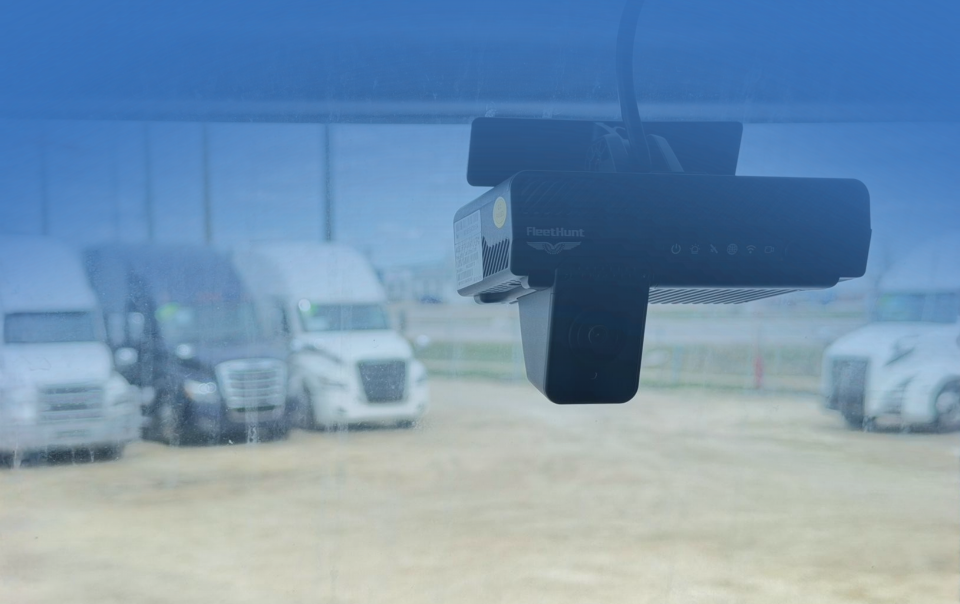
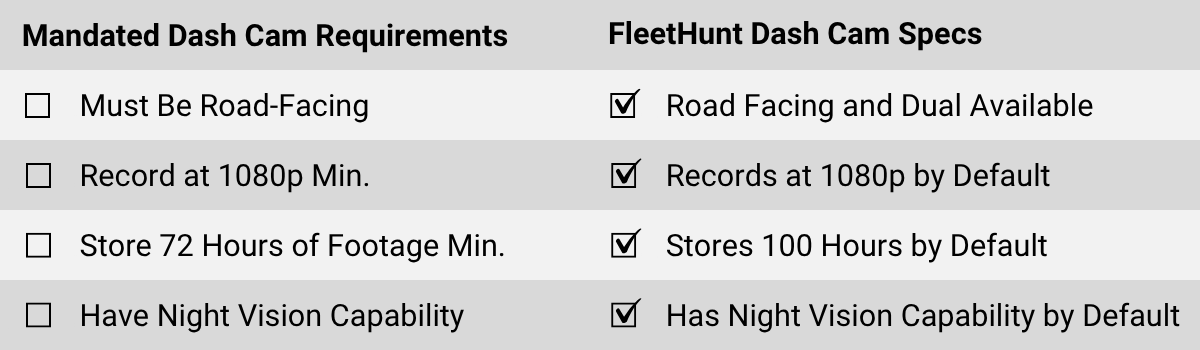

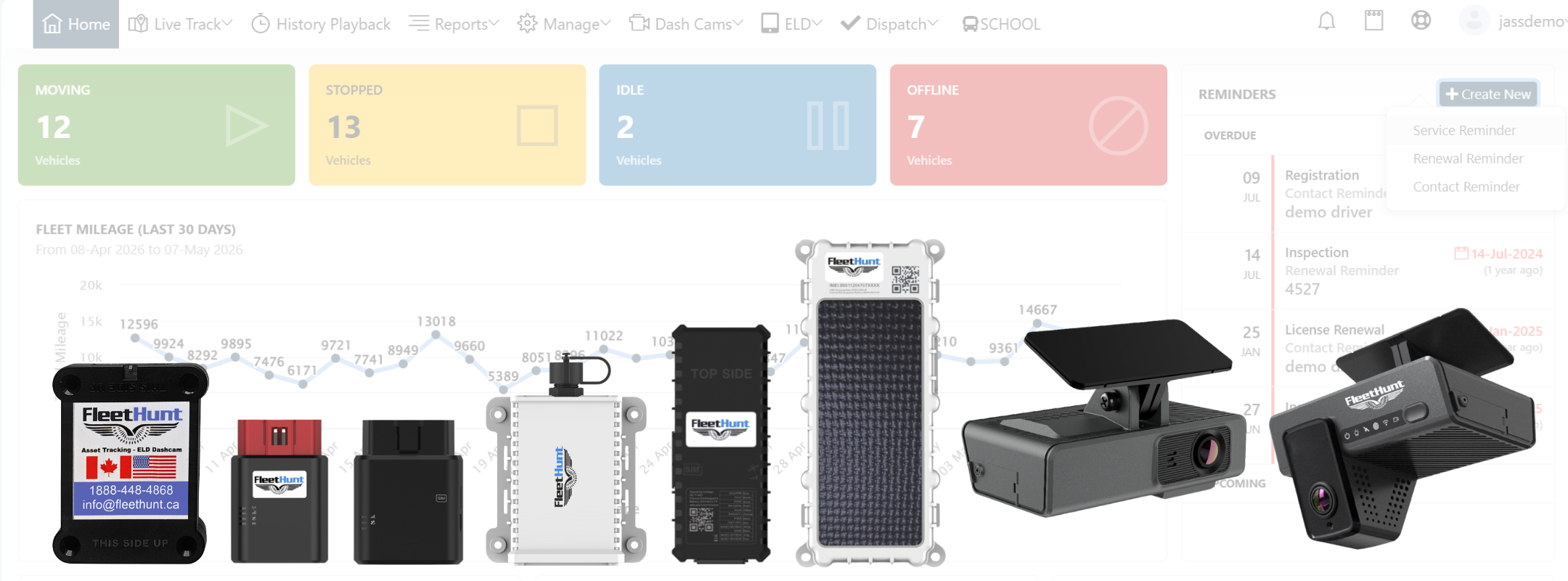




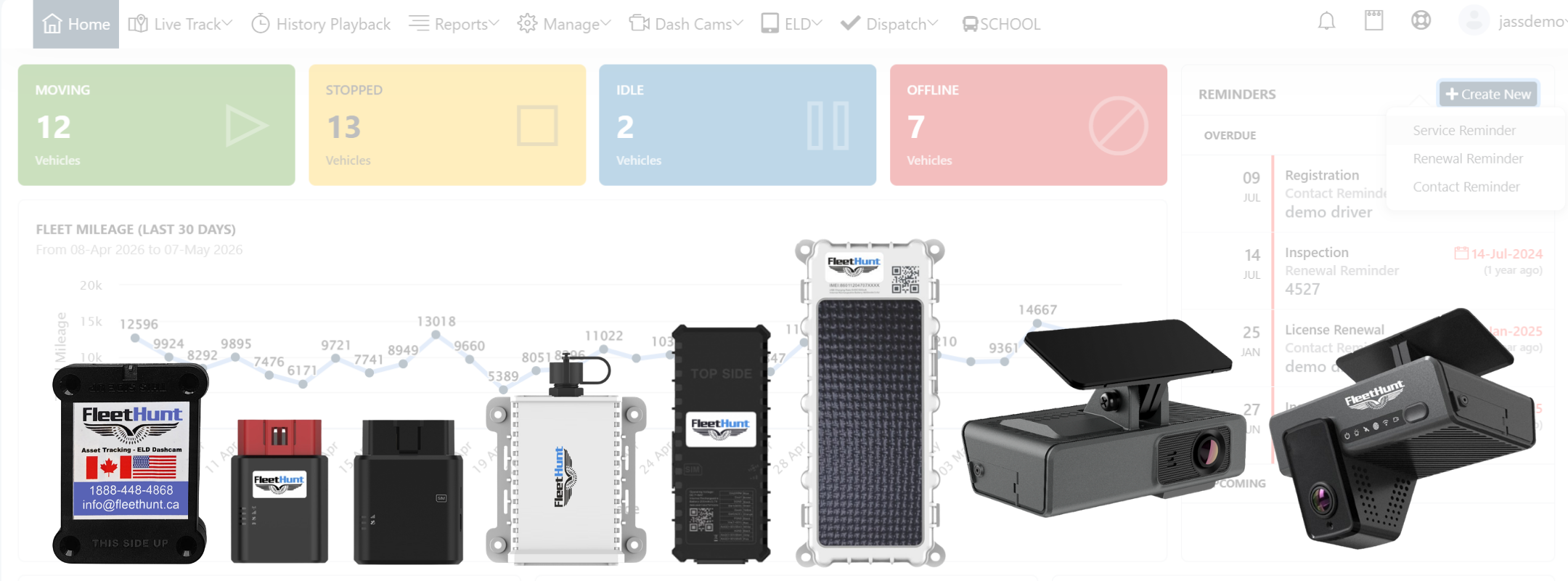

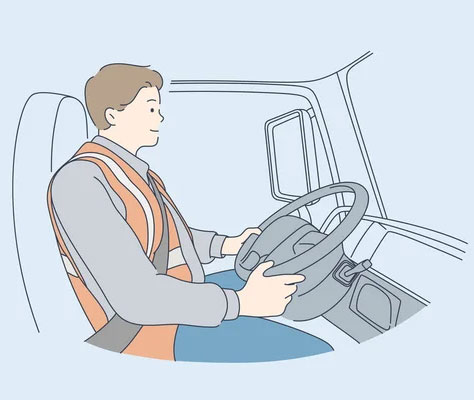 FleetHunt is more than a telematics system. It improves driver wellness by making every mile safer, less stressful, and more predictable. By combining AI dashboard cameras, Electronic Logging Devices, GPS, and asset tracking, it turns real-time data into clear insights on driving behaviour, hours of service, and vehicle health, including reminders that help fleets stay ahead of maintenance needs. Drivers stay alert, confident, and supported with fewer surprises on the road, while fleets reduce accidents, lower costs, and improve retention through earlier issue detection and clearer communication. Managers can act faster with reliable information instead of guesswork, enabling more proactive operations. In sum, telematics is more than fleet data management; it is helping your fleet’s drivers stay supported, confident, and prepared for every journey.